


Solar energy has quietly become one of those everyday upgrades that more homeowners and businesses in Melbourne are starting to take seriously. Not because it’s trendy, but because it simply makes sense. Electricity bills keep rising, the climate is unpredictable, and people want more control over their energy use.
But installing solar panels isn’t just about putting shiny panels on a roof and hoping for the best. It involves planning, technical knowledge, and careful installation. That’s where a professional approach—and the right installer—makes all the difference.
This guide walks through what solar installation really involves in practical, real-world terms, so you know what to expect and how to make smarter decisions.
Why Solar Installation Is More Than Just “Putting Panels on a Roof”
A common misconception is that solar installation is a simple mechanical job. In reality, it’s a mix of electrical engineering, structural assessment, and energy planning.
Think of it like renovating a kitchen. You wouldn’t just install appliances without checking wiring, layout, or water supply. Solar works the same way.
A professional installer typically starts with a site assessment. This includes checking roof strength, angle, shading from nearby trees or buildings, and daily sun exposure. For example, a home in inner Melbourne with tall neighbouring apartments might need a different panel layout compared to a suburban house in areas like Sunshine or Glen Waverley.
Then comes system sizing. This means matching the solar system to actual energy usage. A small café using coffee machines, fridges, and lighting all day will need a very different setup compared to a family home that’s empty during work hours.
After that, there’s design and compliance. In Australia, solar installations must follow strict safety and grid connection standards. Installers often work with engineers and energy retailers to ensure everything is approved before anything is mounted.
This early planning stage is what separates a smooth installation from a frustrating one.
What a Professional Solar Installation Process Looks Like
Once the planning is done, the installation itself usually takes one to three days depending on system size. But even that “simple” step involves several carefully coordinated stages.
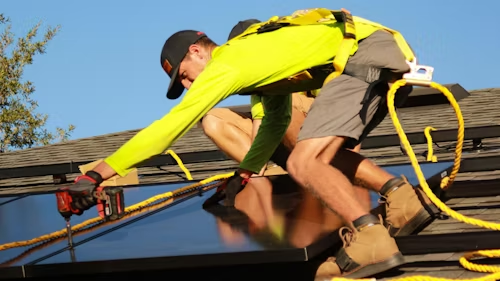
First, roof preparation happens. Installers secure mounting brackets that hold the panels in place. These are designed to withstand strong winds and Melbourne’s unpredictable weather. If you’ve ever seen rooftops after a storm, you’ll understand why this step matters so much.
Next comes panel installation. Panels are aligned to capture maximum sunlight. In Melbourne, this often means a north-facing orientation, though east and west-facing setups are also becoming popular for households that want morning or afternoon energy generation.
Then the electrical work begins. This is where a licensed electrician connects the panels to an inverter. The inverter is a key device—it converts solar energy into usable electricity for your home or business. Without it, your appliances wouldn’t be able to use the power generated.
Finally, the system is connected to the grid. This allows excess electricity to be sent back to the power network, often earning credits on your electricity bill through a feed-in tariff system.
A real-world example: a logistics warehouse in Melbourne’s western suburbs installed solar panels on its large roof space. During daytime operations, the system powers conveyor belts, office lighting, and charging stations. Any unused energy is sent back to the grid, reducing overall operating costs significantly.
For homes, the impact is more personal but just as noticeable. A family in a typical three-bedroom house might reduce their electricity bill by hundreds of dollars per quarter after installation.
Choosing the Right Installer and What Actually Matters
This is where many people feel overwhelmed. Solar is a growing industry, and not all providers offer the same level of quality or transparency.
A reliable installer should explain things in plain language. If someone is using too much technical jargon without clarifying, that’s usually a red flag.
One of the most important things to check is accreditation. In Australia, solar installers should be accredited by recognised industry bodies and have licensed electricians on their team. This ensures the system is safe and eligible for government incentives or rebates.
Experience also matters. Installing solar on a flat warehouse roof is very different from working on a steep residential roof with limited access. A seasoned installer will know how to adapt.
Let’s say a small retail shop in Melbourne’s CBD wants solar panels. A good installer won’t just suggest the biggest system possible. Instead, they’ll analyse the shop’s trading hours, air conditioning usage, and lighting needs before recommending a system that actually fits the business model.
Communication is another key factor. A professional installer will walk you through expected savings, maintenance requirements, and long-term performance. They won’t just disappear after installation—they’ll offer monitoring options or support if something doesn’t perform as expected.
At this stage, many homeowners start searching for a Solar System Installer in Melbourne because they want someone who can handle everything from design to long-term support without confusion or shortcuts. The best installers act more like energy consultants than just tradespeople, helping you understand not just how the system works, but how it fits into your daily life.
Everyday Benefits and Long-Term Value You Can Actually Feel
Solar energy often gets discussed in terms of numbers and efficiency, but the real benefits show up in everyday life.
For example, imagine running your air conditioner on a hot Melbourne afternoon without worrying about peak electricity prices. Or doing a full load of laundry at midday knowing your system is powering it directly from the sun.
Businesses feel this too. A small bakery can run ovens, mixers, and refrigeration during daylight hours with reduced grid dependence. Over time, this adds up to noticeable savings that can be reinvested into the business.
Another often overlooked benefit is energy independence. While you’re still connected to the grid, solar reduces your reliance on fluctuating electricity prices. It’s a bit like having a buffer—you’re less exposed to sudden spikes in energy costs.
Maintenance is also surprisingly simple. Solar systems don’t have many moving parts. Occasional cleaning and a quick check-up from time to time is usually enough. Many modern systems also come with monitoring apps, so you can see real-time energy production from your phone.
Over a 20–25 year lifespan, solar systems often pay for themselves several times over, depending on usage and system size. That long-term value is one of the main reasons adoption continues to grow across Melbourne.
Final Thoughts
Solar energy isn’t just a technology upgrade—it’s a practical shift in how homes and businesses manage everyday power use. But the quality of the outcome depends heavily on the quality of installation.
From careful planning to precise electrical work, each step plays a role in how well the system performs over time. And while the technology is impressive, the real difference comes from the people installing and designing it.
Whether you’re looking to reduce bills, improve sustainability, or future-proof your property, taking the time to understand the process helps you make better decisions—and get better results in the long run.
