


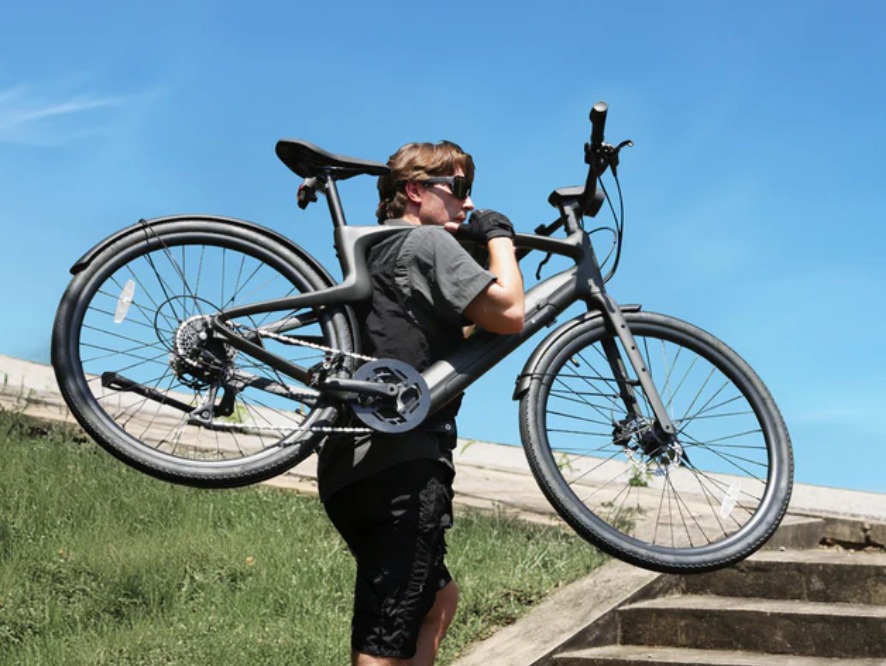
Buying a high-end e-bike is no longer a small purchase. As more shoppers compare e bikes for sale, they are looking beyond motor power, range, frame design, and comfort. Security is becoming part of the buying decision, and GPS tracking is one of the features getting more attention.
For many riders, electric bikes are daily transportation. They are used for commuting, grocery runs, campus travel, and weekend rides. That also means they are parked outside offices, apartments, coffee shops, stores, and transit stations. When a bike costs hundreds or even thousands of dollars, a basic lock may not feel like enough protection.
Why Expensive E-Bikes Need Better Theft Protection
High-value e-bikes are attractive because they combine useful parts, strong resale value, and easy mobility.
Higher Resale Value Makes E-Bikes a Bigger Target
An expensive e-bike is easier to resell than many traditional bikes because it includes a motor, battery, display, drivetrain, and other valuable parts. Even if a thief does not sell the full bike, individual components may still have value.
That makes security more important for riders who use their bike daily. A high-quality lock can help, but it cannot tell you where the bike went after it disappears.
More Riders Park in Public Spaces
City riders often have no choice but to park outside. A quick stop at a grocery store, gym, office, or restaurant may feel routine, but those are exactly the moments when theft can happen.
The risk is not limited to downtown streets. Apartment garages, shared bike rooms, and campus racks can also be vulnerable, especially when bikes sit there for hours.
Traditional Locks Are No Longer Enough
A strong lock is still necessary, but it is passive protection. It works only at the parking spot. If the lock is cut or the bike is carried away, the rider may have very little information to work with.
GPS tracking adds another layer. It does not replace a lock, but it gives the rider a better chance to notice movement and locate the bike.
How GPS Tracking Helps Protect an E-Bike
GPS tracking gives riders useful information when they cannot physically see the bike.
Real-Time Location Updates
The main benefit of GPS tracking is location visibility. If the bike moves unexpectedly, the rider can check where it is through an app or connected system.
This can be useful during daily parking, but it becomes more important if the bike is stolen. Instead of guessing where it went, the rider has location data that may help with recovery.
Movement Alerts When the Bike Is Touched
Many smart tracking systems can send alerts when the bike is moved, shaken, or taken out of a set area. This gives riders a chance to act sooner.
A movement alert will not stop every theft, but it can reduce the time between the first suspicious movement and the rider noticing something is wrong.
Better Peace of Mind for Daily Riders
The value of GPS tracking is not only about theft recovery. It also changes how riders feel when they park an expensive bike.
A rider who commutes every day may lock the bike several times in different places. Knowing the bike has smart tracking can make those stops feel less stressful.
GPS Tracking vs Traditional Bike Security
GPS tracking and bike locks solve different problems, so the strongest setup usually includes both.
| Factor | GPS Tracking | Traditional Bike Lock |
| Main Role | Helps locate the bike after movement | Helps prevent theft at the parking spot |
| Theft Alert | Can send app alerts | Usually no alert function |
| Recovery Support | Provides possible location data | Limited help after the bike is gone |
| Best Use | Expensive e-bikes and city parking | Everyday locking and short stops |
| Main Limit | Needs power, signal, or app support | Can be cut or broken |
Prevention vs Recovery
A lock is about prevention. It makes theft harder and slower. GPS tracking is about awareness and recovery. It helps riders respond if prevention fails.
Neither tool is perfect on its own. Together, they create a more complete security setup.
Smart Alerts vs Passive Security
Traditional locks do not notify the rider when something happens. GPS tracking can add alerts, location updates, and app-based monitoring.
That smart layer matters because many riders are not standing next to the bike when theft begins. A fast alert can make a real difference.
When GPS Tracking Matters Most for City Riders
GPS tracking becomes more valuable when the bike is parked often, stored in shared spaces, or used as daily transportation.
Parking Outside Offices and Stores
Short public stops are common for city riders. Even a few minutes outside a store can feel risky if the bike is expensive.
GPS tracking gives riders one more way to monitor the bike while they are inside.
Leaving the Bike Near Apartments
Apartments, condos, and shared garages can create a false sense of security. A locked indoor space still may be accessed by many people.
For riders who cannot bring the bike into their home, built-in tracking can make shared storage feel less uncertain.
Riding to Campuses and Transit Stations
College campuses and transit hubs often have crowded bike racks. Bikes may sit there for hours, and riders may not return until the end of the day.
In these situations, smart tracking is especially practical because the rider cannot check the bike in person.
What to Look for in an E-Bike GPS Tracking System
Not every tracking setup works the same way, so riders should look at how the feature fits into daily use.
Built-In GPS Instead of Loose Accessories
A built-in GPS system is usually harder to remove than a loose tracker attached to the frame. It can also feel more integrated because the system is designed as part of the bike.
Loose trackers can still help, but they may be easier to find and remove if they are not hidden well.
App-Based Location Tracking
A useful GPS system should be easy to check from a phone. The app should show location clearly and make alerts simple to understand.
If the system is confusing, riders may not use it consistently. Security features only help when they fit real habits.
Battery and Connectivity Support
Tracking depends on power and signal. Riders should understand whether the system uses the main bike battery, a separate battery, cellular service, Bluetooth, or another connection method.
A good system should make these details clear before purchase.
Extra Security Tips for Expensive E-Bikes
GPS tracking works best when paired with smart everyday habits.
Use a High-Quality Lock
A strong U-lock or heavy-duty chain can make theft harder. Riders should lock the frame to a fixed object and avoid locking only the wheel.
Park in Visible Areas
Well-lit, busy areas are usually better than hidden corners. A visible parking spot can make a thief less comfortable spending time on the bike.
Remove Easy Accessories
Lights, bags, displays, and other removable parts should be taken with you when possible. This reduces the chance of smaller thefts and makes the bike less tempting.
Conclusion
GPS tracking is becoming a must-have for expensive e-bikes because theft protection now needs to go beyond a basic lock.
For city riders, the best security setup is layered. A strong lock helps prevent theft, while GPS tracking adds alerts, location visibility, and a better chance of recovery. As e-bikes become more valuable and more common in daily life, smart security is no longer just a bonus feature. It is becoming part of what makes an e-bike practical to own.
