


Building a home is one of those life moments that feels both exciting and slightly overwhelming. It’s a bit like planning a wedding, starting a business, and moving into your dream future all at once. There are plans, budgets, decisions, and a lot of “what ifs” along the way.
If you’re building in Brisbane, you’re not just picking walls and windows—you’re choosing the team that will turn your ideas into a place you’ll live in every day. And that’s where things really matter. The right builder can make the process smooth and even enjoyable. The wrong one can turn it into a long list of delays and stress.
So how do you know who’s right for you? Let’s break it down in a simple, practical way.
Start with clarity: what you actually want in a home
Before you even talk to builders, it helps to be clear on what “home” means to you. Not in a technical sense, but in a lifestyle sense.
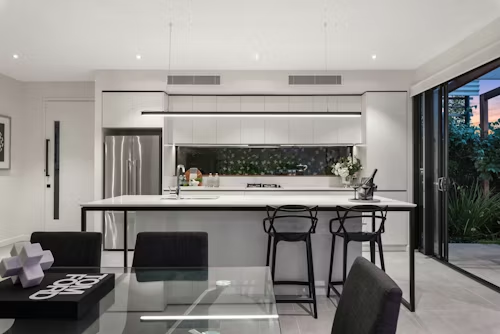
Think about how you live day to day. Do you cook often and need a big, open kitchen where people naturally gather, like a café kitchen where everything feels within reach? Or are you more private, preferring separate rooms where noise and activity stay contained?
A good real-world comparison is designing a workspace. Some companies prefer open-plan offices because collaboration is key, like in creative agencies. Others prefer quiet, segmented offices like law firms where focus matters more than chatter. Homes work the same way.
Also think about future needs. A couple building their first home might later want space for kids, a home office, or even an Airbnb-style studio. Planning ahead helps avoid costly changes later.
At this stage, don’t worry about perfection. Just gather ideas, save inspiration, and be honest about your habits. Builders can refine ideas—but they can’t read your daily life unless you describe it clearly.
Checking experience, reputation, and real builds
Once you know what you want, the next step is finding builders who can actually deliver it. And this is where many people get caught up in glossy brochures and fancy websites.
A better approach is to look at real-world proof.
Ask to see completed homes—not just renderings. A rendering is like a movie trailer; it shows the best version. A completed house is the actual film. Visit if possible, or at least ask for detailed photos of finished projects.
Also pay attention to consistency. A builder might have one stunning luxury home in their portfolio, but what about the rest? In industries like restaurants, it’s similar—one great dish doesn’t mean the whole menu is reliable. You want consistency across multiple projects.
Reputation matters too. Talk to past clients if you can. Ask simple questions like:
- Did the builder stay on budget?
- How did they handle unexpected problems?
- Were there delays, and how were they communicated?
Unexpected issues always happen in construction—weather delays, supply shortages, design tweaks. The real difference is how the builder responds. Think of it like airline travel: flights get delayed sometimes, but good airlines communicate clearly and manage the situation well.
Finally, check how long they’ve been working in Brisbane specifically. Local experience matters because soil conditions, council rules, and even climate considerations (like humidity and storm seasons) affect how homes are built.
Communication, budget transparency, and the building process
This is where many home builds succeed or struggle: communication.
A good builder doesn’t just talk—they explain things in a way that makes sense. Construction has its own language, with terms like “slab,” “frame stage,” or “variations.” A reliable builder breaks this down so you always know what’s happening.
Budget transparency is just as important. Think of it like ordering a meal at a restaurant. You want to know if extras like sides or drinks are included or if they’ll appear on the final bill unexpectedly. In building, those “extras” are called variations—changes made after the contract starts. They’re normal, but they should never feel hidden.
Ask how pricing is structured. Is it fixed price or cost-plus? What is included, and what isn’t? A trustworthy builder will walk you through this clearly, not rush past it.
Another key point is process visibility. You should know what stage your home is in and what comes next. Some builders use client portals or regular updates with photos. Others rely on meetings or calls. The method matters less than consistency.
This is also where choosing the custom home builder in Brisbane becomes less about marketing claims and more about how comfortable you feel asking questions. If you feel confused or brushed off early on, that usually doesn’t improve later.
Making the final choice with confidence
By the time you’re ready to choose a builder, you’ll probably have a shortlist. At this stage, it helps to think beyond price alone.
The cheapest option isn’t always the most affordable in the long run. Just like choosing a mechanic or IT specialist, the lowest quote can sometimes lead to higher repair costs later. Quality workmanship, clear communication, and reliability often save money over time.
Trust your interactions as well. Did the builder listen more than they talked? Did they understand your lifestyle, or just push standard designs? The best builders don’t just construct houses—they translate how you live into physical space.
Also consider how flexible they are. Life changes during a build. You might decide to upgrade finishes, adjust layouts, or rethink rooms as things progress. A good builder doesn’t resist change—they guide you through it.
In the end, choosing a builder is a balance of logic and instinct. You want the numbers to make sense, but you also want to feel confident that your home is in capable hands.
Building a home in Brisbane is a big step, but with the right preparation and the right team, it becomes less about stress and more about shaping a place that genuinely fits your life.
