


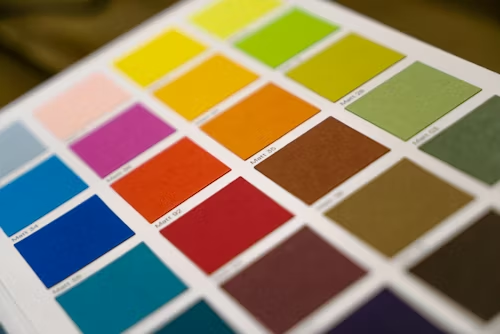
Choosing paint colours sounds simple—until you’re standing in front of a wall of swatches that all somehow look like different versions of “white.” If you’ve ever painted a room only to feel like something is slightly off, you’re not alone. Colour has a quiet but powerful influence on how a space feels, and getting it right is part art, part strategy.
Professional colour consultants don’t just rely on instinct. They follow a process that blends observation, lifestyle needs, and a bit of psychology. The good news is, you can use the same approach at home without needing a design degree.
Let’s walk through how to choose paint colours with confidence—and maybe even enjoy the process along the way.
Start With How You Want the Space to Feel
Before thinking about specific colours, think about mood. This is where many people go wrong—they focus on what looks nice instead of what feels right.
Ask yourself simple questions:
- Do I want this room to feel calm or energizing?
- Is this a space for relaxing, working, or entertaining?
- How do I want people to feel when they walk in?
For example, bedrooms often benefit from softer, muted tones like warm greys, gentle blues, or earthy neutrals. These colours create a sense of rest. On the other hand, a kitchen or dining space might feel more inviting with warmer tones—think creamy whites, soft terracotta, or even a subtle green.
You can see this approach in everyday places. Cafés often use warm, cozy colours to encourage people to linger, while offices tend to use cooler tones to promote focus and clarity. Your home deserves that same level of thought.
Pay Attention to Lighting (It Changes Everything)
Lighting is one of the biggest factors that affects how paint looks on your walls. A colour that feels perfect in a store can look completely different at home.
There are two main types of light to consider:
Natural light:
Rooms facing north tend to have cooler, softer light, which can make colours appear slightly muted or bluish. South-facing rooms get warmer, brighter light that enhances warmer tones.
Artificial light:
Warm bulbs (yellow-toned) can make colours feel cozier but sometimes more intense. Cool bulbs (white or blue-toned) can make colours look crisper but occasionally a bit harsh.
Here’s a real-world example: imagine choosing a light grey paint for your living room. In a showroom, it looks neutral and modern. But at home, under warm lighting, it suddenly appears beige—or even slightly pink. That’s not the paint’s fault; it’s the lighting.
The safest move? Test samples directly on your walls and observe them at different times of day. Morning, afternoon, and evening light can all reveal something new.
Work With What You Already Have
A professional colour consultant doesn’t start from scratch—they work with what’s already in the space. Your flooring, furniture, cabinets, and even décor all influence what colours will look good.
Take a look around your home:
- What colour is your sofa?
- Do your floors have warm or cool tones?
- Are your cabinets bright white, off-white, or wood?
For example, if your flooring has warm, golden undertones, a cool-toned grey wall might clash. Instead, a warmer neutral would feel more cohesive.
This is similar to how fashion works. You wouldn’t pair clashing tones without intention, and the same principle applies to interiors. Everything should feel like it belongs together, even if the colours are different.
A helpful trick is to pull colours from something you already love—like a rug, artwork, or even a cushion. These items often contain a ready-made palette you can build from
Keep It Simple With a Cohesive Palette
One of the biggest mistakes people make is using too many colours without a clear plan. The result? A home that feels disconnected rather than harmonious.
Professionals usually stick to a simple palette:
- One main colour (for walls)
- One or two supporting colours (for accents or feature areas)
- Neutrals to balance everything out
This doesn’t mean your home has to be boring. It just means the colours should relate to each other.
Think of it like a playlist. You can mix different songs and styles, but they still need to flow well together. A cohesive colour palette creates that same sense of flow from room to room.
For open-plan spaces, this becomes even more important. Using variations of the same colour—like lighter or darker shades—can create subtle transitions without feeling repetitive.
Test Before You Commit
This step is non-negotiable if you want professional-level results.
Paint a few sample patches on your wall—ideally in different areas of the room. Don’t just rely on tiny swatches. A larger patch gives you a more accurate sense of how the colour will look.
Live with those samples for a few days. Notice how they change throughout the day and how they feel in the space. Sometimes a colour grows on you; other times, it quickly feels off.
This is similar to test-driving a car. You wouldn’t buy one after just looking at it—you’d want to experience how it actually performs. Paint works the same way
Know When to Get Expert Help
Even with all these tips, choosing the right colours can still feel overwhelming—especially for larger projects or whole-home updates.
That’s where professional guidance can make a real difference. A trained eye can quickly spot undertones, identify what works with your existing features, and help you avoid costly mistakes.
If you’re feeling stuck or want extra confidence in your choices, it might be worth taking the next step and book a colour consultation. Sometimes a short session can save you hours of second-guessing—and potentially thousands in repainting.
Trust Your Instincts (But Back Them Up)
At the end of the day, your home should reflect you. Trends come and go, but you’re the one living in the space.
If you love a certain colour, don’t be afraid to use it—just make sure it works well with your lighting and surroundings. Balance personal taste with practical considerations, and you’ll land in a good place.
A professional colour consultant doesn’t impose their style—they refine yours. You can do the same by combining your preferences with a thoughtful process.
Final Thoughts
Choosing the perfect paint colour isn’t about luck—it’s about paying attention. When you consider mood, lighting, existing elements, and cohesion, the process becomes much clearer.
Instead of guessing, you’re making informed decisions. And that’s exactly how professionals approach it.
Take your time, test your options, and trust the process. With a little patience and the right mindset, you can create a space that not only looks beautiful but feels exactly the way you want it to.
