


A bright smile has a way of changing how people feel about themselves and how they’re perceived by others. It’s not just about looks—it often ties into confidence, communication, and even first impressions in both personal and professional settings. Over time, though, teeth naturally lose their brightness due to coffee, tea, certain foods, smoking, and even just aging.
That’s where modern whitening options come in. Today, people have access to more advanced, safer, and more predictable ways to improve the color of their teeth than ever before. Instead of guessing with over-the-counter strips or home remedies that may or may not work, many are turning to professional care for more reliable results.
Let’s break down how these treatments work, why they matter in everyday life, and what you should know before choosing the right option.
Why a Brighter Smile Matters in Everyday Life
Think about how often smiles show up in daily interactions. At work, during meetings, or even in casual conversations at a café, your smile is one of the first things people notice. It plays a quiet but powerful role in communication.
For example, in customer-facing industries like hospitality or sales, appearance and confidence often influence trust. A hotel receptionist greeting guests or a salesperson presenting a product may not consciously think about their teeth—but clients often form impressions within seconds. A clean, bright smile can subtly reinforce professionalism and friendliness.
Even outside of work, personal moments matter just as much. Weddings, reunions, and vacations are filled with photos. Many people realize only after seeing pictures that their teeth look darker than they expected, especially under flash photography. That realization is often what motivates them to explore whitening options.
Coffee culture also plays a role. Daily habits like enjoying a morning latte or afternoon tea slowly stain enamel over time. It’s not something most people notice day-to-day, but the gradual change becomes obvious over the years.
Because of all this, teeth whitening isn’t just a cosmetic trend—it’s often about feeling more comfortable in your own skin. When people feel good about their smile, they tend to smile more freely, speak more confidently, and engage more naturally with others.
How Professional Whitening Treatments Actually Work
Teeth whitening might sound complicated, but the science behind it is fairly straightforward. Most professional treatments use safe whitening agents—commonly hydrogen peroxide or carbamide peroxide—that break down stains on the enamel, which is the outer layer of the tooth.
To put it simply, these agents release oxygen molecules that gently lift discoloration without damaging the tooth structure when used correctly under professional supervision.
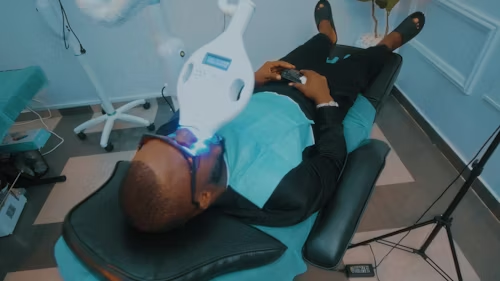
A typical in-office session might involve a dental professional applying a whitening gel to the teeth and activating it with a special light. The light helps accelerate the whitening process, allowing noticeable results in a shorter amount of time—sometimes within an hour.
There are also customized take-home kits provided by dental clinics. These include trays molded to fit your teeth perfectly, along with a professional-grade gel. Because the trays fit snugly, the whitening agent spreads evenly, reducing the risk of patchy results or gum irritation.
In real-world terms, this is similar to how tailored clothing fits better than something off the rack. The precision makes a difference not only in comfort but also in outcome.
Industries like entertainment and media often rely heavily on these treatments. Actors, presenters, and on-camera professionals need consistent, natural-looking smiles under different lighting conditions. That’s why professional whitening has become a routine part of their grooming—much like hairstyling or skincare.
Unlike generic store-bought kits, professional approaches are monitored and adjusted based on individual needs. This matters because not everyone’s teeth respond the same way. Some people have deeper stains, while others may experience sensitivity that requires a gentler approach.
What to Expect, Safety, and Choosing the Right Option
One of the biggest concerns people have about whitening is safety. It’s a valid question—after all, anything involving your teeth should be handled with care. When done properly under dental supervision, whitening is generally safe and well-tolerated.
That said, not all methods are equal. Overuse of strong whitening products or improper application can lead to temporary sensitivity or gum irritation. This is why professional oversight is important. A dentist can evaluate your oral health first, making sure there are no underlying issues like cavities or gum disease before starting treatment.
Another thing to understand is that whitening isn’t permanent. Lifestyle habits still play a role afterward. For instance, someone who drinks multiple cups of coffee daily may notice gradual staining returning sooner than someone who mostly sticks to water and lighter-colored foods. Think of it like washing a white shirt—it can stay bright, but it still needs care over time.
Expectations also matter. Whitening can significantly improve tooth color, but results vary depending on the original shade and type of staining. Yellowish stains tend to respond better than gray or internal discoloration.
This is where specialist teeth whitening treatments become especially valuable. These treatments are designed not just to improve color, but to do so in a controlled, personalized way that reduces risks and maximizes results. Rather than a one-size-fits-all approach, specialists adjust strength, timing, and technique based on your specific needs. That means a more balanced outcome—brighter teeth without unnecessary discomfort or guesswork.
Choosing the right option often comes down to your goals and lifestyle. If you’re preparing for an event like a wedding or job interview, an in-office session might be ideal for fast results. If you prefer gradual improvement with flexibility, a supervised at-home kit could be a better fit.
It’s also worth considering long-term maintenance. Many people combine an initial professional treatment with occasional touch-ups and simple habits like regular brushing, flossing, and limiting stain-causing drinks. Even small changes, like using a straw for iced coffee or rinsing your mouth with water after meals, can make a noticeable difference over time.
Final Thoughts
A brighter smile isn’t just about appearance—it’s closely tied to confidence, expression, and how comfortable you feel in everyday interactions. Whether it’s a casual conversation, a big presentation, or a photo you’ll keep for years, your smile naturally plays a role.
Modern whitening options make it easier than ever to improve your smile safely and effectively. With professional guidance, you can achieve noticeable results while protecting your long-term oral health.
At the end of the day, the goal isn’t perfection—it’s feeling good when you smile without hesitation.
