


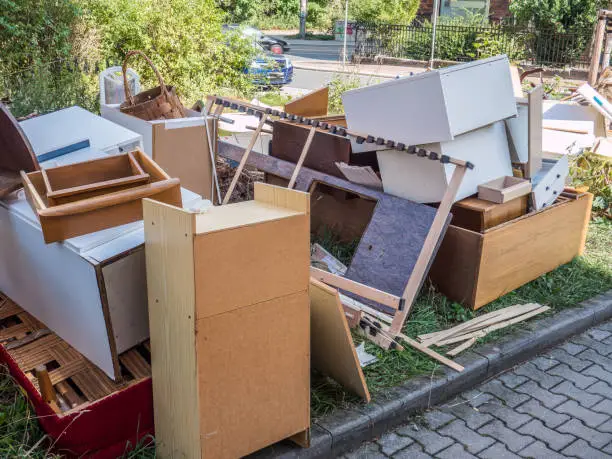
Home renovations often look exciting from the outside. You imagine fresh paint, modern kitchens, open living spaces, and a home that finally feels like it fits your lifestyle. But before any of that transformation happens, there is usually an important step that most people don’t think about right away: the residential strip out.
It’s not the glamorous part of renovation, and you won’t see it featured in design magazines. But without it, most major renovations simply cannot move forward properly. A strip out is what clears the stage so the real transformation can begin.
In simple terms, it’s the process of removing the internal parts of a home that are no longer needed—so you’re left with a clean shell ready for rebuilding. Think of it as pressing reset on the inside of your house while keeping the structure intact.
What a Residential Strip Out Actually Means in Simple Terms
A residential strip out is different from demolition. That’s an important distinction.
Demolition means tearing a building down completely. A strip out, on the other hand, keeps the main structure—the walls, roof, and foundation—but removes everything inside that makes the space “livable” in its current form.
This can include:
- Kitchen cabinets and benchtops
- Bathroom fixtures like sinks, toilets, and bathtubs
- Flooring such as tiles, timber, or carpet
- Internal doors and wardrobes
- Non-structural walls or partitions
- Old wiring, pipes, or fittings that are being replaced
A helpful way to think about it is like emptying out a suitcase before a long trip. You’re not throwing the suitcase away—you’re just removing everything inside so you can repack it properly for a new purpose.
In everyday life, you actually see strip outs happening more often than you realize. When a café closes and a new restaurant moves in, the old counters, fridges, and seating often get removed first. The same happens in office buildings when companies redesign their workspace or shift to a more modern layout.
The idea is always the same: clear everything out that doesn’t serve the next stage.
Why Strip Outs Matter Before Renovation Begins
It might be tempting to think you can just start renovating over what’s already there. Paint over old walls, install new flooring on top of the old one, and replace fixtures piece by piece. But in most serious renovation projects, that approach causes more problems than it solves.
A strip out matters because it gives you a true starting point.
Once everything inside is removed, builders and tradespeople can clearly see what they are working with. Hidden issues often become visible at this stage—things like water damage behind bathroom tiles, outdated electrical wiring, or plumbing that no longer meets current standards.
This is similar to what happens in older apartment buildings. A kitchen might look fine on the surface, but once cabinets are removed, you might discover uneven walls or damaged pipes that would have been impossible to notice before.
Another important reason strip outs matter is efficiency. When a space is fully cleared, renovation work becomes faster and more organized. Electricians don’t have to work around old fittings. Plumbers don’t need to squeeze through tight spaces filled with debris. Builders can plan layouts more accurately without guessing what lies underneath existing materials.
There’s also safety. Old materials can sometimes contain hazards like mold, deteriorated insulation, or unstable structures. Removing them early reduces risk for everyone involved in the renovation process.
In short, a strip out creates clarity. And clarity leads to better decisions, fewer surprises, and smoother construction work overall.
What to Expect During the Process and Real-Life Examples
A residential strip-out specialist usually follows a structured process, even though it may look like controlled chaos from the outside.
First, professionals assess the property. They decide what needs to be removed and what should remain untouched. This step is important because not everything inside a home should be stripped away—especially structural elements or load-bearing walls.
Next comes the removal stage. Fixtures, fittings, flooring, and internal elements are carefully taken out. In a typical home renovation, this might mean removing a dated kitchen that has been in place for 20 years or stripping bathroom tiles that have started to crack and discolor over time.
Then comes sorting and disposal. Materials are separated where possible—some can be recycled, while others are disposed of responsibly. This is especially important in modern construction, where waste management plays a big role in environmental responsibility.
To make this more relatable, think about a family renovating an old suburban home. The kitchen might still function, but it feels outdated and cramped. During the strip out, the entire kitchen is removed, revealing unused space that allows for a more open design. Suddenly, what once felt like a closed-off cooking area becomes part of a bright, open-plan living space.
In commercial settings, the same idea applies. A retail store changing its brand identity may remove shelving, counters, lighting systems, and signage so the space can be completely redesigned for a new customer experience.
This is where the importance of planning becomes very clear. Many homeowners are surprised by how much potential their space has once everything old is removed.
At this stage of renovation, many people also begin researching layouts, materials, and contractors more seriously. It’s the moment where vision starts becoming reality. If you want a deeper look into how this process is typically handled, you can explore more through this reference point: link
The Bigger Picture: Why Strip Outs Set the Tone for the Entire Project
A strip out is more than just removal work. It sets the emotional and practical tone for the entire renovation journey.
On a practical level, it creates a blank canvas. But on a psychological level, it also helps homeowners detach from the old version of their space. That can be surprisingly important. Many people find it easier to make bold design choices once the old layout is gone and they are no longer visually tied to it.
It also helps avoid compromise. When you try to renovate existing structures, you often end up adjusting your vision to fit limitations. But when you start with a clean interior, you design based on possibility rather than restriction.
Across industries—from residential homes to hospitality venues and office spaces—the principle remains the same. Clear the old to make room for the new, and everything that follows becomes more intentional.
Renovation is often described as exciting, and it is—but it’s also layered. The strip out phase may not be the most visible or celebrated part of the process, yet it plays a quiet but essential role in shaping everything that comes after.
Once the space is cleared, the real transformation begins.
