


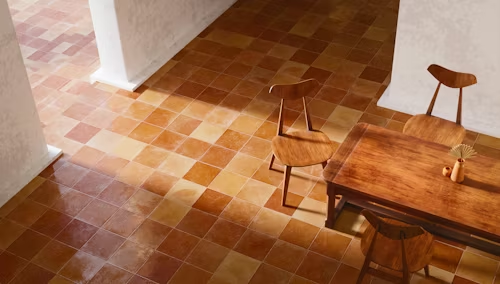
Walk into any well-designed home, office, or retail space and one of the first things you subconsciously notice is the floor. It’s not always loud or attention-grabbing, but it quietly sets the tone. A warm timber finish can make a living room feel inviting. Sleek vinyl planks can make a café feel modern and easygoing. Even in warehouses or clinics, flooring plays a bigger role than most people realize—affecting safety, cleanliness, and long-term maintenance costs.
In a city like Melbourne, where weather shifts, lifestyle trends, and architectural styles are constantly evolving, choosing the right flooring isn’t just about looks. It’s about finding something that holds up to real life: muddy shoes after a rainy tram ride, rolling office chairs on busy weekdays, or kids running through hallways on a Saturday morning.
But here’s where many people get stuck—not in choosing the flooring type itself, but in finding someone reliable to supply it. A good floor starts long before installation. It starts with who you trust to provide the materials.
Why flooring choice matters more than most people think
Flooring isn’t just a surface you walk on—it quietly supports almost everything happening in a space. Think about a busy café in Fitzroy. Staff are constantly moving between the counter and tables, coffee spills are inevitable, and chairs are dragged across the floor all day. If the flooring isn’t durable, it quickly starts to show wear: scratches, stains, or uneven patches that are hard to ignore.
Now picture a family home in the suburbs. Kids are playing indoors, pets are running in from the backyard, and guests are coming in and out. A soft, poorly chosen floor might look nice on day one, but within months it can start to dent, fade, or lose its finish.
Even in commercial environments like clinics or small offices, flooring affects more than appearance. It influences hygiene, acoustics, and even safety. A slippery surface in a healthcare setting, for example, isn’t just inconvenient—it’s a risk.
That’s why flooring decisions are rarely just design choices. They’re practical investments. And like most investments, the outcome depends heavily on who supplies the materials and how well those materials match the real-world conditions they’ll face.
What makes a flooring supplier trustworthy in practice
It’s easy for suppliers to say they offer “quality products” or “expert advice,” but trust is built in the details. One of the clearest signs of a reliable supplier is transparency. They don’t just show you a polished showroom sample—they explain where the material comes from, how it performs under pressure, and what kind of maintenance it actually requires over time.
For example, a homeowner might be drawn to a light oak finish because it looks great under showroom lighting. A good supplier will go a step further and ask about sunlight exposure in the home. In Melbourne’s climate, north-facing rooms can fade certain finishes faster than expected. That kind of honest guidance can save years of regret.
Another important factor is variety without confusion. A trustworthy supplier doesn’t overwhelm you with endless options that all sound the same. Instead, they help narrow things down based on real needs. A busy restaurant kitchen might need slip-resistant, easy-to-clean flooring, while a boutique retail store may prioritize visual appeal and comfort underfoot for long browsing hours.
After-sales support also matters more than people expect. Floors aren’t just installed and forgotten. They expand, contract, and respond to daily use. Knowing that you can go back to the supplier for advice or solutions when something doesn’t feel right is a quiet but powerful form of reassurance.
In real life, this often shows up in small moments. A builder checking installation guidelines before laying flooring in a new townhouse project. A café owner asking about the best way to handle scuff marks near the entrance. A school administrator trying to balance durability with noise reduction in classrooms. Trusted suppliers tend to be part of those conversations, not just the transaction.
Balancing style, durability, and real-life use cases
One of the hardest parts of choosing flooring is balancing how it looks with how it performs. It’s easy to fall in love with a design that works beautifully in a magazine but struggles in everyday conditions.
Take engineered timber, for instance. It offers the warmth and character of natural wood but is more stable in changing temperatures. That makes it popular in Melbourne homes where weather can shift from humid summers to chilly winters within days. On the other hand, vinyl plank flooring has become a go-to in many commercial settings because it mimics natural textures while being highly resistant to moisture and wear.
This is where guidance becomes essential. A good supplier doesn’t just talk about aesthetics—they translate those aesthetics into real-world performance. They might explain how a matte finish hides scratches better in high-traffic hallways or why certain materials are better suited for underfloor heating systems.
In fact, this is often where people start looking for Western Distributors not just for access to products, but for clarity. Someone who can explain why a flooring option that looks perfect for a coastal apartment might not be the best fit for a busy inner-city townhouse.
It’s also worth considering how different industries approach flooring. In hospitality, durability and ease of cleaning come first because turnover is constant. In retail, branding and customer experience matter more, so visual appeal often takes priority. In healthcare or education, safety and hygiene dominate decision-making. Each of these environments tells a different story, and flooring choices need to align with those realities.
When suppliers understand these differences, they help clients avoid costly mismatches—like installing a delicate surface in a high-traffic entryway or choosing a commercial-grade floor where comfort is more important than toughness.
Where Melbourne homeowners and businesses often go wrong (and how to avoid it)
A common mistake people make is focusing only on upfront cost. It’s understandable—renovations and fit-outs can get expensive quickly. But cheaper flooring often comes with hidden long-term costs: faster wear, more frequent repairs, or replacement far sooner than expected.
Another issue is underestimating installation quality. Even the best flooring material can fail if it’s not installed properly. Small mistakes in leveling, spacing, or adhesive use can lead to gaps, movement, or uneven surfaces over time. That’s why it’s important to think of flooring as a system, not just a product.
There’s also the temptation to rush decisions. With so many online images and design inspirations, it’s easy to choose based on appearance alone. But real spaces have real constraints—humidity levels, foot traffic, furniture weight, and even cleaning routines all play a role in how flooring performs day to day.
In Melbourne especially, where properties range from heritage homes to modern apartments and industrial conversions, there’s no single “perfect” flooring solution. What works in a sunlit beachfront property in St Kilda might not work in a shaded warehouse conversion in the inner north.
This is why people increasingly rely on suppliers who can bridge the gap between inspiration and practicality. Not just by selling materials, but by helping translate lifestyle needs into durable, functional design choices.
At the end of the day, flooring is something you live with every single day without thinking about it—until something goes wrong. The quiet confidence of walking into a space where everything feels solid, balanced, and well-finished usually comes from decisions made long before installation.
And those decisions are much easier when you’re working with someone who understands both the technical side of flooring and the everyday reality of how people actually live and work.
