


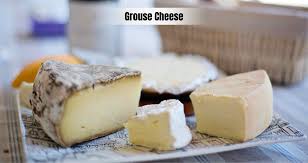
Grouse Cheese: A Complete Guide to the Rare and Rustic Culinary Delicacy
Grouse cheese is a rare and deeply intriguing cheese variety that has recently gained attention among culinary explorers, artisanal food enthusiasts, and gourmet chefs. While the name can sound unusual—even puzzling—grouse cheese does not contain meat or game birds. Instead, the term refers to a rustic, high-flavor cheese traditionally enjoyed alongside roasted grouse or other game dishes.
In recent years, the phrase “grouse cheese” has evolved online as people search for cheeses that complement grouse recipes, cheeses made in regions where grouse are hunted, or cheeses with earthy, game-friendly aromatic qualities.
If you’re curious about the meaning, origin, culinary uses, and flavor profile of this distinctive cheese, you’ve landed in the right place. This guide explores everything you need to know about grouse cheese—from how it’s made to why it pairs so beautifully with game birds.
The Origins and History of Grouse Cheese
Historically, the term grouse cheese emerged in Northern Europe, especially in Scotland and northern England. These regions are famous for their grouse hunting seasons, where hearty autumn meals often feature robust cheeses alongside roasted game.
Why the Name?
The name “grouse cheese” stems from:
Pairing tradition: Cheeses served with grouse dinners gained a reputation and eventually a name.
Flavors reminiscent of woodland terrain: Many of these cheeses feature earthy, herbal, and smoky notes similar to the landscapes where grouse live.
Local production: Shepherds and small dairy farms produced cheeses using high-fat milk from sheep or cows grazing in heather-rich highlands.
Over time, grouse cheese became associated with strong, aromatic cheeses—the kind that hold their own against the rich, slightly gamey flavor of grouse.
Though it’s not a mass-market cheese, gourmands cherish it for its authenticity, depth, and sense of place.
How Grouse Cheese Is Made
While there is no single standardized production method, most grouse cheese varieties share similar artisanal techniques. The process emphasizes raw, natural flavor shaped by the environment—just as traditional farmhouse cheeses were meant to be.
1. High-quality milk
Grouse cheese is typically made from:
Raw cow’s milk
Sheep’s milk
Blended milk from local herds
High-fat and high-protein milk provides the structure needed for strong flavors.
2. Natural cultures
Cheesemakers rely on wild bacterial cultures, sometimes collected from the dairy environment itself, to create an earthy, layered aromatic profile.
3. Slow curdling and traditional rennet
Rennet—animal or vegetable—is added to start curd formation. Artisanal producers emphasize slower curdling to develop more complex flavors.
4. Hand-cut curd
Cutting the curd manually ensures the right moisture level. Smaller curds produce firmer textures typical of grouse cheese.
5. Salt rubbing or washing
The rind is usually treated with:
Sea salt
Brine
Natural molds
Washed-rind bacteria
This creates the signature robust aroma.
6. Aging
Grouse cheese is generally aged for:
4 to 12 months for firm varieties
6 to 18 months for intense, tangy options
2 to 4 months for softer, semi-soft versions
The aging caves often have natural humidity, allowing molds and yeasts to flourish and produce the cheese’s rustic character.
Flavor Profile: What Grouse Cheese Really Tastes Like
The flavor of grouse cheese is unlike common supermarket varieties. It’s intentionally bold, earthy, and evocative of the countryside where it originated.
Key Flavor Characteristics
Earthy and woodsy: Reminiscent of heather, wild herbs, and forest floors.
Nutty undertones: A warm, toasted nuance.
Buttery richness: Especially in semi-soft versions.
Mild tang or sharpness: Depending on aging.
Slight rustic funk: Similar to washed-rind cheeses.
Imagine a cheese that can complement roasted game without being overshadowed—that’s the essence of grouse cheese.
Texture
Depending on its age, you may find:
Firm, sliceable wheels
Semi-soft centers
A natural rind with rugged appearance
The texture often mirrors the rugged terrain of grouse habitats: firm, resilient, and full of character.
How Grouse Cheese Compares to Other Specialty Cheeses
Grouse cheese often draws comparisons with several well-known artisanal cheeses:
1. Comté
Similar in nuttiness but less sweet.
2. Manchego
Comparable firmness, but grouse cheese has more earth-driven flavors.
3. Taleggio
Shares the rustic aroma, though grouse cheese is generally firmer and less creamy.
4. Aged Gouda
Both have deep caramelized notes, but gouda is milder in funk.
5. Cheddar (farmhouse aged)
Grouse cheese is typically earthier and less tangy.
These comparisons help illustrate that grouse cheese is uniquely positioned between the worlds of nutty, earthy, and mildly funky cheeses.
Culinary Uses: Cooking and Pairing with Grouse Cheese
Because of its bold and rustic character, grouse cheese is incredibly versatile in the kitchen. Whether you’re preparing gourmet meals, hosting a wine night, or experimenting with flavor combinations, this cheese can elevate your dishes.
Best Ways to Use Grouse Cheese
Melt it on roasted vegetables
Add it to wild mushroom risotto
Grate it over hearty soups
Serve it in charcuterie boards
Use it in savory pies or pastries
Shave it over grilled meat or game
Perfect Pairings
Since grouse cheese has a pronounced flavor, it pairs wonderfully with:
Wines
Pinot Noir
Rioja
Cabernet Franc
Burgundy reds
Dry Sherry
Foods
Grouse (naturally!)
Roast pheasant
Duck confit
Root vegetables
Fresh figs
Honeycomb
Rye crackers
Its earthy complexity works well with robust autumn and winter meals.
Where to Buy Grouse Cheese Today
Due to its artisanal nature, grouse cheese is not typically found in conventional grocery stores. However, there are several excellent sources:
Specialty Cheesemongers
Independent cheese shops often carry seasonal or imported rustic cheeses similar to grouse cheese.
Farmers’ Markets
Many small dairy farms offer handcrafted cheeses that fit the flavor profile associated with grouse cheese.
Online Gourmet Retailers
Look for:
Artisan cheese subscription boxes
British or Scottish specialty food shops
European farm-to-table import sites
High-end restaurants
Some game-focused restaurants serve grouse cheese as part of curated tasting menus.
When buying online, check for producers emphasizing traditional aging and natural rind development—the hallmarks of authentic grouse cheese.
Nutritional Value & Health Insights
Like most artisanal cheeses, grouse cheese provides a rich nutrient profile.
Nutritional Highlights
High in protein
Rich in calcium
Contains probiotics due to natural fermentation
Good source of vitamin A and B vitamins
Healthy fats that promote satiety
Considerations
High in sodium
Dense in calories due to aging
Should be consumed in moderation for those monitoring saturated fat intake
Despite its richness, grouse cheese fits well within balanced diets when eaten mindfully.
Storing & Aging Grouse Cheese Properly
Proper storage protects the complexity and integrity of grouse cheese.
Tips for Storage
Wrap in waxed paper or cheese paper, not plastic.
Keep in the vegetable drawer or a low-humidity cheese box.
Allow the cheese to breathe, especially natural-rind varieties.
Avoid pre-cutting large portions to prevent dryness.
Shelf Life
Semi-soft varieties: 2–3 weeks
Hard or aged wheels: 4–6 weeks
If mold appears on the rind, it’s often natural—simply trim it off unless the mold carries an unusual odor.
FAQ About Grouse Cheese
1. Does grouse cheese contain grouse meat?
No. Despite the name, grouse cheese contains no meat or animal products other than milk. The name comes from traditional pairings with roasted grouse.
2. What does grouse cheese taste like?
It has an earthy, nutty, and slightly rustic flavor, often with hints of wild herbs and natural cave aging.
3. Is grouse cheese vegetarian?
It depends on the rennet used. Some varieties use vegetable rennet, while others use traditional animal rennet.
4. Can I cook with grouse cheese?
Absolutely. It melts beautifully and works in risottos, vegetable dishes, pies, gratins, and charcuterie boards.
5. Why is grouse cheese so hard to find?
Because it is typically artisan-made, seasonal, and produced in small batches, making availability limited.
Conclusion: Why Grouse Cheese Deserves a Place in Your Kitchen
Grouse cheese is a remarkable example of how traditional food culture, landscape, and craftsmanship intertwine. Its bold flavor profile, rustic character, and culinary versatility make it a cherished ingredient among chefs and food lovers.
Whether you’re pairing it with roasted grouse, exploring new cheese boards, or deepening your appreciation for artisanal dairy, grouse cheese opens the door to a world of rich, earthy flavors rooted in heritage and craftsmanship.
